
Call: 07971550063
 Send Inquiry
 Send Inquiry
ASTM Distance-Area Amplitude Set of Ten
MOQ : 1 Unit
ASTM Distance-Area Amplitude Set of Ten Specification
- Features
- Durable
- Hardness
- Rigid
- Temperature
- As per industry standard Celsius (oC)
- Color
- Silver
- Material
- Metal
ASTM Distance-Area Amplitude Set of Ten Trade Information
- Minimum Order Quantity
- 1 Unit
- Payment Terms
- Cash in Advance (CID)
- Supply Ability
- 1000 Units Per Month
- Delivery Time
- 3 Days
- Main Domestic Market
- All India
About ASTM Distance-Area Amplitude Set of Ten
A
STM10-CS-M
ASTM Distance/Area Amplitude Set of 10 Carbon Steel in Wooden Case
ASTM10-SS-M
ASTM Distance/Area Amplitude Set of 10 Stainless Steel in Wooden Case
ASTM10-Al-M
ASTM Distance/Area Amplitude Set of 10 Aluminium in Wooden Case
High-Quality Rigid Metal Construction
Each block in the ASTM Distance-Area Amplitude Set is manufactured from premium-grade metal, offering a rigid, robust build that can withstand frequent usage in demanding industrial environments. This durability ensures longevity and sustained accuracy during repeated calibration tasks.
Industry-Standard Compliance and Versatility
Designed to meet ASTM calibration standards, this set ensures precise ultrasonic testing results. The silver finish aids in easy identification and adds an extra layer of corrosion resistance. The blocks are suitable for a variety of manufacturing and inspection settings.
FAQ's of ASTM Distance-Area Amplitude Set of Ten:
Q: How is the ASTM Distance-Area Amplitude Set of Ten used?
A: This calibration set is used in ultrasonic testing to verify and ensure the accuracy of flaw detectors by providing known distances and areas for amplitude measurement. The rigid and durable blocks allow for repeated use in various testing environments.Q: What makes this set durable and long-lasting?
A: Each block is constructed using high-quality metal with a rigid design that resists wear and tear. The durable silver finish not only enhances appearance but also offers added protection against corrosion, ensuring sustained reliability.Q: When should I utilize the ASTM Distance-Area Amplitude Set?
A: This set is best used during the calibration phase of ultrasonic testing equipment, particularly before conducting inspections on industrial components to ensure accuracy and compliance with industry standards.Q: Where can this set be sourced from?
A: The ASTM Distance-Area Amplitude Set of Ten is manufactured and supplied by reputable manufacturers in India and can be sourced directly from specialized suppliers or through authorized distributors in the industrial equipment market.Q: What is the typical process for calibrating with this tool?
A: The process involves placing the blocks on the testing bench, adjusting the ultrasonic device according to the known measurements of each block, and validating amplitude readings against the calibrated references provided by the set.Q: What are the key benefits of using this calibration set?
A: The primary benefits include enhanced accuracy in ultrasonic testing, reliable durability for long-term use, compliance with international ASTM standards, and strong resistance to environmental factors due to its rigid, corrosion-resistant metal construction.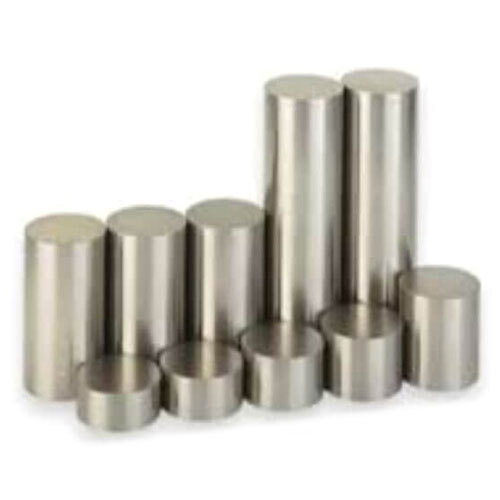
Tell us about your requirement

Price:
Quantity
Select Unit
- 50
- 100
- 200
- 250
- 500
- 1000+
Additional detail
Mobile number
Email

More Products in Calibration Blocks Category

Type MAB Miniature Angle-Beam Calibration Block
Minimum Order Quantity : 1 Unit
Hardness : Rigid
Accuracy : 100 %
Features : Durable
Material : SS
Color : Silver
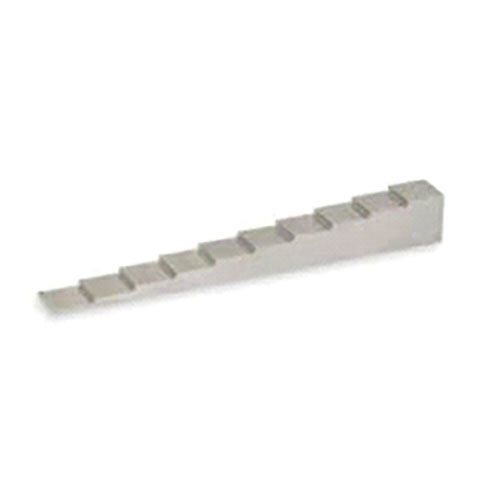
Ten Step Wedge
Minimum Order Quantity : 1 Unit
Hardness : Rigid
Accuracy : 100 %
Features : Durable
Material : SS
Color : Silver
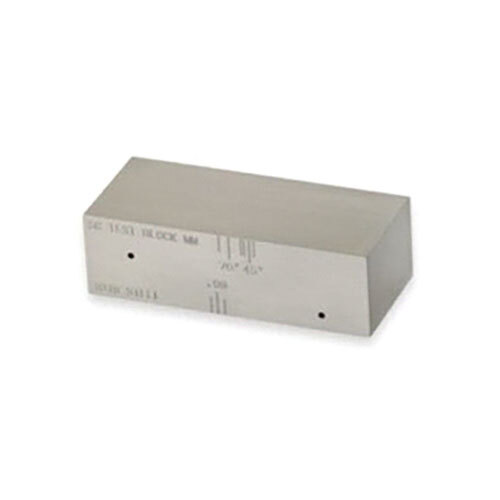
SC Block
Minimum Order Quantity : 1 Unit
Hardness : Rigid
Accuracy : 100 %
Features : Durable
Material : SS
Color : Silver
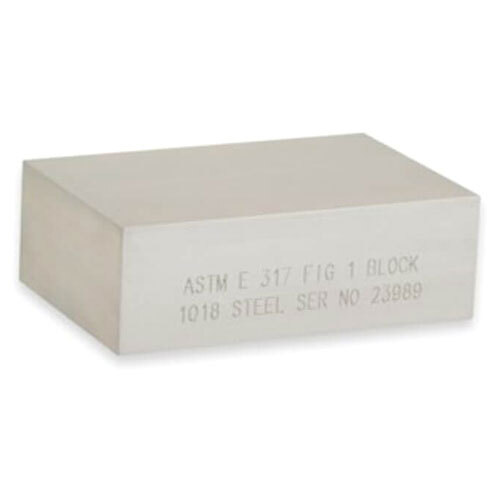
ASTM E317 Horizontal And Vertical Fig One Linearity Block
Minimum Order Quantity : 1 Unit
Hardness : Rigid
Accuracy : 100 %
Features : Durable
Material : SS
Color : Silver

Contact Details
Arora Technologies (P) Limited
GST : 27AACCI0067Q1Z8
- Plot No. D-183/8, MIDC, TTC Nerul,Navi Mumbai - 400706, Maharashtra, India
- Phone :07971550063
 Send Inquiry
Developed and Managed by Infocom Network Private Limited.
